
NUS Accommodation Guide For Indonesian Students In Singapore
.jpg%3F2026-05-06T04%3A24%3A19.724Z&w=3840&q=100)
Photo by Chunjiang on Unsplash
Moving from Indonesia to Singapore to study at the National University of Singapore (NUS) is a monumental milestone. The transition from home to a new country brings a wave of excitement. You will discover new passions, meet brilliant people and experience immense personal growth.
However, the very first challenge every international student faces is finding the perfect place to live. Navigating rental agreements, choosing the right neighbourhood and securing a comfortable room can feel overwhelming.
You deserve a living space that feels like a true sanctuary after a long day of lectures. Finding a great home base empowers you to focus on your studies, build lasting friendships and enjoy the adventure of studying abroad. We will cover practical tips, explain different housing types and highlight the best neighbourhoods for Indonesian students to build their new life.
Finding Student Accommodation In Singapore
Understanding the local property market is your first step to success. Singapore offers a unique housing landscape. The island nation is densely populated, meaning accommodation styles might differ from what you are used to in Indonesian cities like Jakarta, Surabaya or Bandung.
Understanding Off-Campus Options
You will primarily encounter three types of housing: HDB flats, private condominiums and purpose-built student accommodations (PBSA).
HDB flats are public housing units built by the Housing and Development Board. They are the most common type of home in Singapore. HDBs are highly regulated, safe and generally more affordable than private options. They are integrated into self-sufficient estates with supermarkets, hawker centres and clinics located right downstairs. Renting a room in a HDB flat is a fantastic way to experience authentic local living.
Private condominiums offer a more luxurious lifestyle. These properties come with shared facilities like swimming pools, gyms and BBQ pits. The rental cost is significantly higher but if you value lifestyle amenities and have a larger budget, a condo might be the ideal choice. Many international students choose to rent an entire condo unit together to split the high costs while enjoying the premium facilities.
Purpose-built student accommodation (PBSA) provides a middle ground. These are usually co-living spaces with facilities that cater specifically to university students. They often include furnished rooms, study lounges and communal kitchens. This option fosters a strong sense of community and makes it very easy to mingle with fellow international students from all over the world.
The Reality Of On-Campus Living
NUS offers several on-campus housing options. These include Halls of Residence, Residential Colleges and Student Residences. Living on campus provides unmatched convenience. You can wake up minutes before your class starts. You also gain immediate access to libraries, sports facilities and university events.
However, securing a spot on campus is highly competitive. Demand consistently exceeds supply. International students usually receive priority for their first year, but you must apply very early. Even if you secure a room initially, you will likely need to find off-campus housing for your subsequent years of study so it is always wise to have a backup plan.
Top Tips for Finding Accommodation In Singapore
Finding a great place to live requires strategy, patience and a bit of street smarts. Use these practical tips to navigate the rental market with absolute confidence.
Start Your Search Early
You should begin your search at least two months before your arrival. Use trusted online property portals, student forums and university notice boards to gather information. Early research helps you understand the market rates and prevents panic renting at the last minute.
Set A Realistic Budget
Your accommodation will be your largest monthly expense. Before you start looking at fancy apartments, sit down and map out a realistic budget. Remember to factor in hidden costs. Your rent might not cover maintenance fees or utilities like electricity, water and high-speed internet. You should also account for the security deposit and GST. This deposit is typically equal to one or two months of rent. Setting a firm budget prevents financial stress later in your academic journey.
Understand The Tenancy Agreement
Never sign a document you do not fully understand. Tenancy agreements in Singapore are legally binding contracts so pay close attention to the minimum lease period and other terms and conditions. Most landlords require a minimum commitment of six months to one year. Check the clauses regarding early termination, maintenance responsibilities and subletting rules. If a clause seems unfair, ask questions and negotiate before putting your pen to paper.
Beware Of Rental Scams
Unfortunately, rental scams exist everywhere. Protect yourself by staying vigilant and only book from trusted and verified platforms. Never transfer money to a landlord before viewing the property and signing a formal agreement. If you are still in Indonesia, arrange a virtual viewing through a video call or ask a friend already in Singapore to visit the property on your behalf. Legitimate landlords and registered property agents will never pressure you into making an immediate, unseen payment.
Recommended Neighbourhoods For Indonesian NUS Students
Your neighbourhood shapes your entire study abroad experience. You want a location that balances travel time, living costs and lifestyle perks. Here are the best areas near NUS for Indonesian students to call home.
Clementi
Clementi is widely considered the ultimate student hub for anyone attending NUS. It borders the university campus, making your daily commute incredibly short. You can reach your faculty via a quick bus ride or even a healthy walk.
This neighbourhood is famous for its vibrant community and excellent amenities. The Clementi Mall provides everything you need, from groceries to electronics and fashion. The area also boasts a massive hawker centre. When you crave familiar flavours, you can easily find affordable Indonesian food stalls serving up comforting bowls of ayam penyet and spicy nasi padang. Clementi offers the perfect blend of convenience, affordability and local charm.
West Coast
If you prefer a quieter environment to focus on your studies, West Coast is a fantastic option. This residential area stretches along the southwestern shoreline. It offers a more relaxed, suburban vibe compared to the bustling Clementi town centre.
West Coast Park is a major highlight. You can spend your weekends cycling, jogging or hosting picnics with your new friends. The rental prices here are generally quite reasonable. The only trade-off is that it might require a slightly longer bus ride to reach the MRT network, but direct buses to the NUS campus are plentiful.
Jurong East
Jurong East is the undisputed commercial powerhouse of the West. It is slightly further from NUS but boasts unparalleled connectivity. The Jurong East MRT station connects you to multiple train lines, making it incredibly easy to explore the rest of Singapore.
This neighbourhood is a paradise for shoppers and food enthusiasts. You will find massive shopping centres like JEM, Westgate and IMM located right next to each other. These malls house huge supermarkets, cinemas and hundreds of retail outlets. If you want a dynamic lifestyle with endless entertainment options right at your doorstep, Jurong East delivers an exciting urban experience.
Queenstown
Queenstown is one of Singapore's oldest residential estates. It exudes a nostalgic charm while offering highly modern conveniences. Located closer to the city centre, Queenstown appeals to students who want easy access to both the university and the central business district.
Living here means you are just a short train ride away from major cultural hotspots and nightlife districts. The neighbourhood features excellent sports facilities, including a public swimming complex and a stadium. While rental prices in Queenstown can be slightly higher due to its prime location, the accessibility and heritage vibe make it a highly desirable place to live.
Recommended Collabil Properties
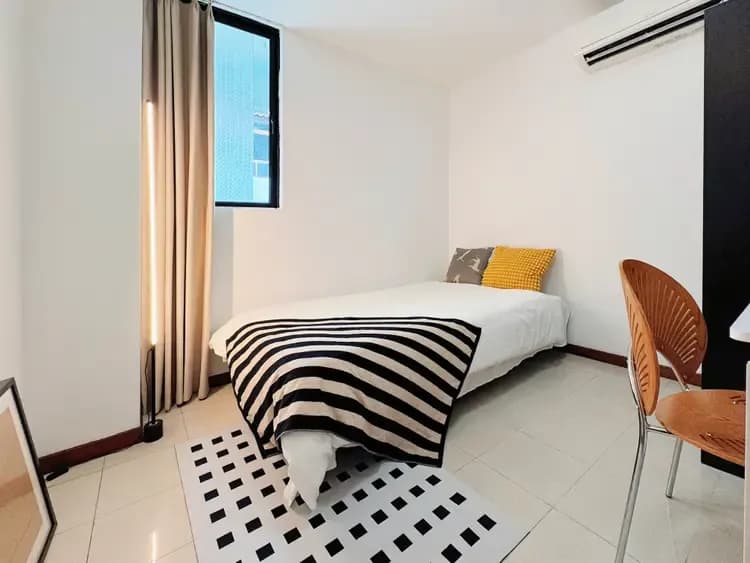
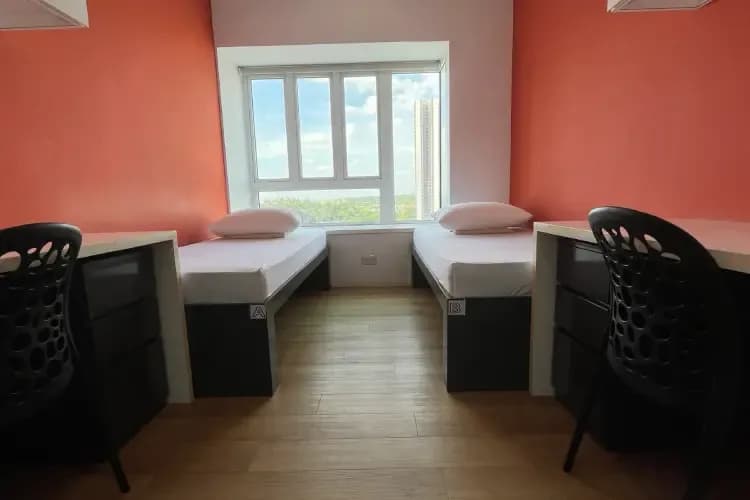
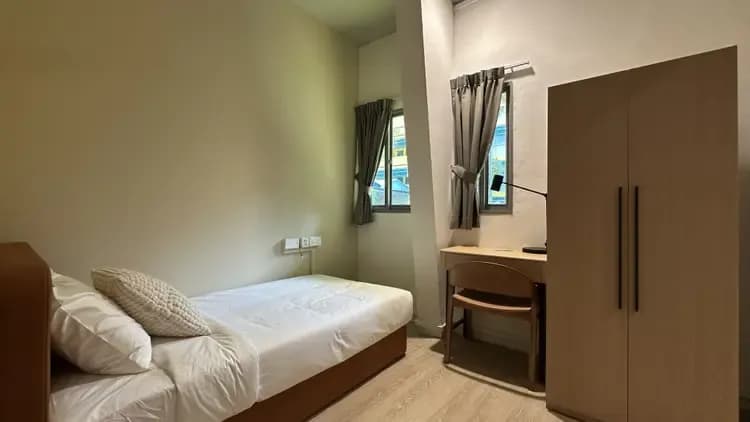
Finding a place that matches your financial plan is crucial. Collabil provides a seamless platform to discover housing that fits your exact needs. Here are some of our recommendations!
Frequently Asked Questions (FAQ)
What is a realistic monthly rent budget moving from Indonesia to Singapore?
Your monthly rent will depend entirely on the type of accommodation and its location. A shared room in an HDB flat might cost between S$600 and S$900. A private single room in a shared home usually ranges from S$900 to S$1500. If you prefer a room in a private condo, expect to pay anywhere from S$1800 to S$2000 or more. Always budget an extra S$50 to S$100 for utilities and internet.
Where can you find familiar Indonesian food options in Singapore?
Finding Indonesian food in Singapore is usually much easier than many students expect. Areas around NUS such as Clementi and Jurong East often have hawker stalls, casual eateries and shopping centres with Southeast Asian options, and you will also find more Indonesian restaurants in places like Lucky Plaza, Orchard and other central districts. Food delivery apps can be especially helpful on busy study days when you want something familiar without travelling far.
It is also worth joining student groups and community chats, where people often share reliable recommendations for comfort food, grocery spots and hidden gems. If cooking matters to you, look out for supermarkets and speciality stores that stock Indonesian sauces, noodles, sambal and other essentials, so you can recreate familiar meals at home when you need a little taste of home.
How can you connect with the Indonesian community in Singapore?
Many NUS students from Indonesia find that building community in Singapore happens quite naturally over time. A great place to start is with campus-based groups such as the NUS Indonesian Students' Association, where you can meet fellow students, join social and cultural events and get practical advice from people who have already gone through the same transition.
Beyond campus, Singapore also has a wider Indonesian community, with restaurants, cultural events, places of worship and informal social circles that can help the city feel more familiar without limiting your experience to one bubble. Student group chats, orientation events and community gatherings can all be useful for making connections in a low-pressure way.
The key is to stay open, explore at your own pace and find a balance between having a comforting support system and building friendships across the wider NUS community too.
Step Into Your Singapore Adventure
Moving to a new country challenges you to step outside your comfort zone. Finding the right accommodation is your first major victory in this incredible journey. Take the time to research your options, stick to your budget and choose a neighbourhood that aligns with your lifestyle.
Singapore is an incredibly safe, clean and dynamic city. By securing a comfortable living space, you build a strong foundation for your academic success and personal growth. Embrace the challenges, celebrate the milestones and make the most of your vibrant life as an international student at NUS.
相关文章


